

Newborn Sleep Training That's Actually Gentle
Your newborn can't self-soothe yet - and that's completely normal. Get science-backed guidance that works WITH their biology, not against it.
4.8 based on 24,129 reviews


Why Newborns Are Different
Their brains aren't ready for "sleep training"
Newborns (0-3 months) don't have a circadian rhythm yet. Their sleep is governed by hunger and basic needs, cycling every 2-4 hours around the clock. Their nervous system is too immature for self-soothing, and they genuinely need your constant comfort and co-regulation. Traditional sleep training at this stage isn't just ineffective - it's developmentally inappropriate. That's why Betteroo doesn't use traditional "sleep training" for newborns. Instead, we help you establish healthy sleep foundations, recognize your baby's unique sleep cues, create sustainable routines that work for your family, and prepare for when they ARE developmentally ready (around 4 months). We'll guide you through gentle soothing techniques that respect your newborn's needs while helping you get more rest. No crying it out, no rigid schedules - just flexible, supportive strategies that actually work for the fourth trimester.

Award-Winning Program

Proud Winner
Parents' Picks Awards 2026
Best Baby & Toddler Products
“Most parenting products are built around the baby. Betteroo was built for the parent.”

Proud Winner
Family Choice Awards 2026
Winner
“Recognized for putting the parent, not just the baby, at the center of sleep support.”

Proud Winner
Parents' Picks Awards 2026
Best Preschool Products
“Plans adapt in real time when life disrupts them, instead of expecting exhausted parents to comply with a static program.”
Proud Winner
Parents' Picks Awards 2026
Best Mom Products
“Betteroo isn't just helping babies sleep, it's helping parents feel seen.”
Backed by experts, Based on science, Loved by parents.

Based on research and data from these leading organizations
As Featured In




Newborn Sleep: Gentle Soothing, Early Routines, and When to Start Training
Can you sleep train a newborn?
No, and here's why: newborns (0-3 months) lack the neurological development for sleep training. They don't have a circadian rhythm - it won't develop until 3-4 months. Their sleep cycles are only 50 minutes long with frequent arousals. They need to feed every 2-3 hours for survival and growth. Self-soothing abilities don't exist yet, they need your co-regulation. Their stress response system is immature and crying without response can be harmful. Sleep training studies don't even include babies under 4 months because they're simply not capable. What you CAN do is establish gentle foundations through soothing and routine building.
What's normal sleep for a newborn?
Understanding normal helps reduce anxiety. Newborns sleep 14-17 hours in 24 hours, but it's completely fragmented. Expect sleep in 2-4 hour chunks maximum, day and night. They wake every 2-3 hours to feed - this is biological necessity. Day/night confusion is universal for the first 6-8 weeks. Sleep cycles are 50 minutes, alternating between active (REM) and quiet sleep. The "witching hour" (evening fussiness) is nearly universal. If your baby is gaining weight and has wet diapers, their sleep pattern is likely perfect for their age.
What gentle soothing techniques work for newborns?
Focus on recreating the womb environment and providing comfort. Swaddling (if not rolling) mimics the snug womb feeling and controls startle reflex. White noise at 50-60 decibels masks startling sounds. Rocking, bouncing, or walking provides familiar movement. Skin-to-skin contact regulates temperature and breathing. Pacifiers can satisfy non-nutritive sucking needs. The "5 S's" (swaddle, side/stomach position while awake, shush, swing, suck) often work magic. Feed on demand - you cannot overfeed a breastfed newborn. These aren't sleep training - they're comfort techniques.
How do I establish early routines without sleep training?
Routines help even though newborns can't be trained. Create a simple 5-10 minute bedtime sequence (diaper, swaddle, feed, rock). Use the same sleep space when possible for familiarity. Expose baby to daylight during awake periods to help circadian rhythm development. Keep nights dark and boring - minimal interaction during feeds. Watch for tired cues (yawning, eye rubbing, fussiness) and respond quickly. Put baby down drowsy but awake occasionally - no pressure if it fails. These habits make formal training easier at 4+ months.
When should I actually start sleep training?
Most experts recommend waiting until at least 4 months, with many suggesting 5-6 months as ideal. Signs your baby is ready include: showing clear day/night differentiation (around 3-4 months), going longer between feeds (4+ hours at night), demonstrating emerging self-soothing (thumb sucking, turning head), having more predictable patterns, and weighing at least 14 pounds. Until then, focus on survival and gentle foundations. There's no rush - babies who start at 6 months often learn faster than those starting at 4 months.
How do I survive newborn sleep deprivation?
Parent survival is crucial during the fourth trimester. Sleep when baby sleeps - seriously, ignore everything else. Take shifts with your partner - divide the night into blocks. Accept all help offered (meals, laundry, holding baby while you shower). Lower your standards temporarily - survival mode is real. Consider safe co-sleeping if it helps (follow AAP guidelines strictly). Use baby wearing for contact naps so you can move. Remember this phase is temporary - most babies naturally sleep longer by 3-4 months. You're not failing; you're in the trenches of normal newborn life.
Who we are
We're on a mission to help parents and babies sleep better.

Rachel Rothman
Renowned parenting expert who blends science, empathy and real-world experience as a mom of three


Dr. Magdalena M. Oledzka, PT, PhD, DPT, MBA, PCS, c/NDT
Board-Certified Clinical Specialist in Pediatric Physical Therapy with 25+ years of experience. Clinical Lead at the Hospital for Special Surgery Pediatric Rehabilitation and Young Athlete Center.

Dr. Meidad Greenberg, MD
Board-certified pediatrician and pediatric nephrologist. Fellowship-trained at Albert Einstein College of Medicine and Children’s Hospital at Montefiore. Award-winning medical educator and father of three.

Ellen Reisel
Developmental psychologist with decades of experience working with children and parents and multidisciplinary teams.

Jennifer Jaye, LCSW
For more than 15 years, Jennifer has helped children and families better understand developmental and sensory differences.

Marci Silver, MS, CCC-SLP
NY, CA and CT-certified speech-language and feeding pathologist. Trained in PROMPT, TalkTools, SOS feeding and myofunctional therapy, with clinical experience at the Hospital for Special Surgery.
How It Works
Take Quiz
Understand Your Newborn's Sleep (and Your Survival Mode)
Our 3-minute quiz covers your baby's patterns AND how you're doing - then builds your plan based on both realities. Your baby's needs + your capacity = realistic solutions.
Get your custom plan
Get Personalized Plan
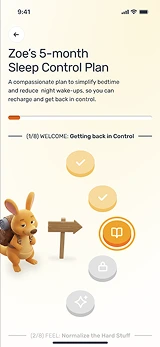
Custom Plan Built for You and Your Baby
Your plan addresses newborn reality: frequent waking, short stretches, day-night confusion. And when growth spurts hit? Your plan adjusts too. Life with a newborn is survival. Your plan accounts for that.
Get Yourself Back
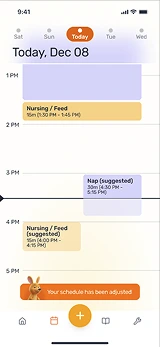
Only Sleep Plan that Stays With You
Sleep tools, expert guidance, and daily support - for your baby's sleep AND your recovery. When you're depleted, we adjust. When life's chaotic, we simplify. When you need us, we're here. Baby sleeps. You recover. That's the point.


4.8 based on 24,129 reviews
Relatable content
4.6
Practical application
4.5
Extra resources
4.8
Easy to use
4.7
Course variety
4.8
Thousands are getting their sleep back
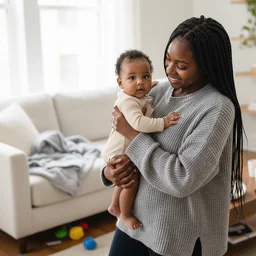
Every site said to sleep train our newborn, but Betteroo explained why that's impossible. The gentle soothing techniques and realistic expectations saved our sanity. By 4 months, our daughter was ready and training went smoothly!
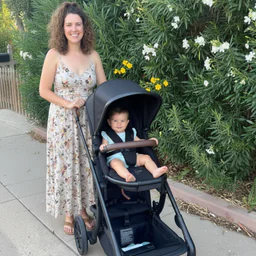
Understanding that constant waking is NORMAL for newborns was life-changing. The 5 S's technique worked like magic. We stopped stressing about sleep training and just focused on surviving. Best decision ever.
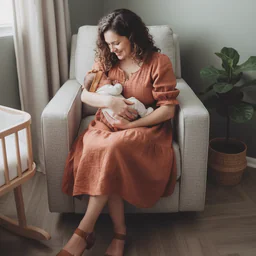
The guilt-free approach was exactly what we needed as first-time parents. No crying methods, no impossible schedules. Just gentle techniques that actually worked. Our newborn went from crying for hours to settling in minutes.

Betteroo was honest - our 6-week-old wasn't broken, she was normal! The survival tips for parents were as valuable as the baby advice. We made it through the fourth trimester with our sanity intact.
No more...
Expensive sleep consultants
Comparing to 'good sleepers'
Trial and error with generic advice
Feeling overwhelmed and alone
Guilt about frequent wakeups
Feeling like you're failing
Join thousands of happy parents
24,129
Happy families
90%
See improvement in 1 week
4.8★
Average rating
Your Newborn Sleep Questions, Honestly Answered
The fourth trimester is intense. Here's the truth about newborn sleep and what actually helps.
No, newborns (0-3 months) cannot be sleep trained. Their brains lack the neurological development for self-soothing or sleep consolidation. They don't have a circadian rhythm, need frequent feeding for survival, and require constant comfort for nervous system regulation. Sleep training research doesn't even include babies under 4 months because it's developmentally impossible. Instead, focus on gentle soothing techniques and creating positive sleep associations that will help when they're ready for actual training around 4-6 months.
This is completely normal! Newborn sleep cycles are only 45-50 minutes long, and they often wake between cycles. They spend 50% of sleep time in active (REM) sleep, which is very light. Their nervous system is immature and startles easily. They genuinely need frequent feeding for brain development. Short sleep periods are actually protective against SIDS. Most babies naturally begin consolidating sleep around 3-4 months as their nervous system matures. You're not doing anything wrong - this is biology.
Absolutely normal! Newborns don't produce melatonin yet and have no circadian rhythm. In the womb, they often slept during the day (rocked by your movement) and were active at night. It takes 6-8 weeks for day/night differentiation to begin developing. Help the process by exposing baby to daylight during awake periods, keeping nights dark and boring, and maintaining consistent routines even though they don't 'work' yet. By 2-3 months, most babies start showing clearer day/night patterns.
The 5 S's, developed by Dr. Harvey Karp, recreate the womb environment: Swaddle (snug wrapping mimics the womb), Side/Stomach position (while awake and supervised - always back for sleep), Shush (white noise mimics blood flow sounds), Swing (gentle movement like in the womb), and Suck (pacifier or finger for non-nutritive sucking). These techniques work because they trigger the calming reflex. Use them in combination for best results. These aren't sleep training - they're comfort techniques that respect newborn neurology.
'Sleeping through' for a newborn means 5-6 hours, not 12. Most newborns physically cannot sleep through until 3-4 months minimum because they need frequent feeding for growth and their sleep cycles are too immature. Some babies naturally sleep longer stretches by 3 months, others not until 6+ months. This variation is normal. Babies who 'sleep through' from birth are rare exceptions, not the standard. Focus on survival now, not impossible goals.
The AAP recommends room-sharing without bed-sharing for safety. However, if you choose to co-sleep, follow strict safety guidelines: firm mattress with tight sheets, no pillows/blankets near baby, no gaps where baby could get trapped, never co-sleep impaired (alcohol, medications), non-smoking household only, and baby on back always. Many families find a sidecar bassinet offers the benefits of closeness with added safety. Do what helps everyone rest while prioritizing safety.
Newborns cry an average of 2-3 hours daily, peaking around 6 weeks. The 'witching hour' (late afternoon/evening fussiness) is nearly universal. Some crying despite meeting all needs is normal - it's how newborns process stimulation. However, always respond to newborn crying promptly. They're not manipulating you - they're communicating genuine needs. If crying seems excessive (more than 3 hours daily) or high-pitched, consult your pediatrician to rule out reflux, allergies, or other issues.
In the first 2 weeks, yes, wake to feed every 2-3 hours until they regain birth weight. After that, if baby is gaining weight well, you can let them sleep longer stretches at night (up to 4-5 hours). During the day, don't let them go more than 3 hours without feeding to ensure adequate intake. Premature or small babies may need more frequent feeding. Always follow your pediatrician's guidance based on your baby's growth curve.
Yes! Every baby can learn to sleep well with the right guidance. Betteroo creates a personalized sleep plan based on your baby's unique patterns, age, and temperament. Our approach combines proven sleep science with gentle, emotionally-attuned coaching that works with your parenting style, not against it. Thousands of parents have seen real improvements in as little as one week.
Many parents notice positive changes within the first 3-5 days, though every baby's timeline is unique. The key is consistency with your personalized plan. Betteroo adapts as you go, celebrating small wins and adjusting when needed. Remember, sustainable sleep changes take time, but with the right support, you'll get there together.
Betteroo goes beyond generic advice. We provide a truly personalized experience that adapts to your baby's sleep patterns in real-time, considers your parenting values, and offers emotional support for the tough moments. Plus, our expert-backed coaching feels like having a sleep consultant in your pocket, at a fraction of the cost.
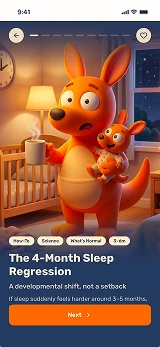
Betteroo is designed to adapt to your baby's changing needs, whether it's a growth spurt, teething, or a developmental leap. Our Smart Sleep Schedule adjusts in real-time, and we provide specific guidance for common challenges like sleep regressions, travel, and illness. You're never navigating these tough phases alone.
Not at all! Betteroo offers flexible approaches that align with your comfort level, from gentle, gradual methods to more structured techniques. You choose what feels right for your family, and we guide you through it step by step. There's no one-size-fits-all approach because every family is unique.
Yes! Betteroo works with your current sleep setup and feeding method. Whether you're breastfeeding, formula feeding, or combination feeding, and whether your baby sleeps in a crib, bassinet, or safely co-sleeps, we create a plan that fits your family's lifestyle while helping you reach your sleep goals.
Betteroo is designed for babies from newborn through toddler years. Our personalized plans adapt to your child's developmental stage, whether you're navigating newborn sleep patterns, the 4-month regression, or transitioning to one nap. We grow with your family's needs.

Navigate the Fourth Trimester With Confidence
Get gentle soothing techniques that actually work for newborns, plus know exactly when your baby is ready for real sleep training.
4.8 based on 24,129 reviews