

Sleep Training Your 9 Month Old
At 9 months, babies can sleep 10 to 12 hours, even mid-regression. Get a gentle plan and see calmer nights.
Your 9 month old's plan starts with you. Select your age:


The 9-Month Turning Point
The 9-month regression ends with the right plan
At 9 months, everything hits at once: separation anxiety peaks, crawling and pulling to stand turn the crib into a midnight gym, and object permanence means your baby knows you've left. If sleep has fallen apart, nothing is wrong with your baby, or your parenting. Here's what that chaos hides: 9-month-olds are developmentally ready to sleep 10 to 12 hours, self-soothe, and settle into routines. The same leaps disrupting sleep are what make it fixable now. Betteroo builds a gentle, step-by-step plan around your baby's temperament, adapts when teething or travel hits, and guides you daily. Most families see real improvement within two weeks, for about $1 a day, a fraction of the $500 to $2,000 consultants charge, with a 30-day money-back guarantee.

Award-Winning Program

Proud Winner
Parents' Picks Awards 2026
Best Baby & Toddler Products
“Most parenting products are built around the baby. Betteroo was built for the parent.”

Proud Winner
Family Choice Awards 2026
Winner
“Recognized for putting the parent, not just the baby, at the center of sleep support.”

Proud Winner
Parents' Picks Awards 2026
Best Preschool Products
“Plans adapt in real time when life disrupts them, instead of expecting exhausted parents to comply with a static program.”
Proud Winner
Parents' Picks Awards 2026
Best Mom Products
“Betteroo isn't just helping babies sleep, it's helping parents feel seen.”
Backed by experts, Based on science, Loved by parents.

Based on research and data from these leading organizations
As Featured In




Sleep Training Tailored for 9-Month-Olds: Real Solutions for Big Milestones
What makes 9 months so challenging for sleep?
Your baby is going through massive developmental leaps all at once. Separation anxiety peaks between 8-10 months - they understand you exist when you leave and they want you back NOW. Physical milestones like crawling, cruising, and pulling to stand create an irresistible urge to practice at 2 AM. Cognitive leaps mean they're more aware of their environment and routines. Many experience the 8-10 month sleep regression right now. Some are transitioning from 3 naps to 2, disrupting their entire schedule. Despite previous sleep success, everything can fall apart seemingly overnight.
Which methods work best during this chaotic time?
The Wake-and-Sleep method works well for 9-month-olds - you slightly wake baby as you put them down, letting them fall fully asleep independently. Gentle withdrawal gradually reduces your presence over 1-2 weeks, perfect for separation anxiety. Pick-Up/Put-Down provides comfort without creating dependencies, though requires patience. The Chair Method keeps you visible while teaching independence. Ferber/Check and Console balances reassurance with boundaries. Choose based on your baby's biggest challenge - anxiety needs more presence, overtiredness needs clearer boundaries.
How do I handle the 9-month regression?
This regression is real and related to development, not bad habits. It typically lasts 2-6 weeks but feels eternal. Don't abandon all sleep training - maintain consistency while being flexible. Increase daytime connection to ease nighttime anxiety. Practice new physical skills extensively during the day. Keep bedtime routine longer (30 minutes) and more soothing. Accept that some nights will be harder than others. Most importantly, know it WILL pass with consistent, gentle guidance.
What about separation anxiety at bedtime?
Peak separation anxiety makes bedtime feel impossible. Build confidence during the day with peek-a-boo variations and short, happy separations. Create a visual schedule showing bedtime steps so baby knows what's coming. Use a lovey or shirt with your scent for comfort. Consider starting with more presence (Chair Method) then gradually reducing. Your calm confidence is contagious, if you're anxious, baby will be too. Most see improvement within 1-2 weeks despite ongoing separation anxiety.
How long will sleep training realistically take at 9 months?
Timeline varies based on your baby's temperament and chosen method. Gentle approaches typically show initial improvement in 5-7 nights, clearer progress by night 10-14, and solid success within 2-3 weeks. More structured methods (Ferber) often work faster - 3-7 nights - but may trigger more separation anxiety. Factor in potential setbacks from teething, illness, or new skills. Stay consistent for at least 2 weeks before changing approach.
Can I sleep train during growth spurts or developmental leaps?
Yes! Waiting for the "perfect" time means waiting forever at 9 months. Growth spurts last 3-7 days - maintain your approach but offer extra daytime feeds. For developmental leaps, increase practice time during the day dramatically. Stay boring and unengaging during nighttime skill practice. Offer comfort for genuine distress but maintain boundaries. Most babies adapt within a week despite ongoing changes. The skills you teach now help them through future disruptions.
Who we are
We're on a mission to help parents and babies sleep better.

Rachel Rothman
Renowned parenting expert who blends science, empathy and real-world experience as a mom of three


Dr. Magdalena M. Oledzka, PT, PhD, DPT, MBA, PCS, c/NDT
Board-Certified Clinical Specialist in Pediatric Physical Therapy with 25+ years of experience. Clinical Lead at the Hospital for Special Surgery Pediatric Rehabilitation and Young Athlete Center.

Dr. Meidad Greenberg, MD
Board-certified pediatrician and pediatric nephrologist. Fellowship-trained at Albert Einstein College of Medicine and Children’s Hospital at Montefiore. Award-winning medical educator and father of three.

Ellen Reisel
Developmental psychologist with decades of experience working with children and parents and multidisciplinary teams.

Jennifer Jaye, LCSW
For more than 15 years, Jennifer has helped children and families better understand developmental and sensory differences.

Marci Silver, MS, CCC-SLP
NY, CA and CT-certified speech-language and feeding pathologist. Trained in PROMPT, TalkTools, SOS feeding and myofunctional therapy, with clinical experience at the Hospital for Special Surgery.
How It Works
Take Quiz
Understand Your 9 Month Old's Sleep (and How You're Surviving)
Our 3-minute quiz covers your baby's patterns AND how you're doing - then builds your plan based on both realities. Your baby's needs + your capacity = realistic solutions.
Get your custom plan
Get Personalized Plan
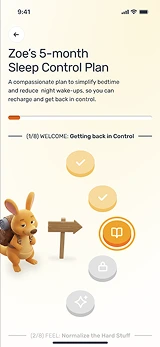
Custom Plan Built for You and Your Baby
Your plan addresses what's happening now: crawling, teething, separation anxiety, multiple regressions. And when your baby shifts? Your plan shifts too. Life is chaotic at 9 months. Your plan accounts for that.
Get Yourself Back
Only Sleep Plan that Stays With You
Sleep tools, expert guidance, and daily support - for your baby's sleep AND your recovery. When you're depleted, we adjust. When life's chaotic, we simplify. When you need us, we're here. Baby sleeps. You recover. That's the point.


4.8 based on 24,129 reviews
Relatable content
4.6
Practical application
4.5
Extra resources
4.8
Easy to use
4.7
Course variety
4.8
Thousands are getting their sleep back
The 9-month regression hit us HARD. Our daughter went from sleeping through to waking every hour. The Wake-and-Sleep method from Betteroo was magic, within a week she was back to 11-hour nights despite still pulling up constantly!
Separation anxiety was destroying bedtime. Our son would scream the moment we left. The gradual withdrawal plan worked perfectly with his temperament. Yes, it took 2 weeks, but no traumatic crying and he now goes down happily!
Our 9-month-old was practicing crawling all night long! The plan helped us tire her out during the day and stay boring at night. Combined with gentle check-ins, she stopped the midnight Olympics within 5 nights.

We thought we'd ruined sleep forever after a vacation threw everything off. The personalized plan helped us get back on track despite the 9-month regression happening simultaneously. Three weeks later, better sleep than before!
No more...
Expensive sleep consultants
Feeling overwhelmed and alone
Exhausting night wakeups
Feeling like sleep training failed
Join thousands of happy parents
24,129
Happy families
90%
See improvement in 1 week
4.8★
Average rating
Your 9-Month Sleep Training Questions, Answered
Nine months brings unique sleep challenges with all the developmental changes. Here are evidence-based answers to help you navigate this tricky phase.
Yes! In fact, sleep training during the regression provides the structure your baby needs to navigate these changes. The regression is caused by development, not bad habits, so gentle sleep training won't 'fight' the regression, it helps baby cope with it. Maintain consistency while being flexible about harder nights. Focus on independent sleep skills at bedtime first. Accept that progress might be slower but it's still happening. Most families see improvement despite ongoing regression.
Many parents notice positive changes within the first 3-5 days, though every baby's timeline is unique. The key is consistency with your personalized plan. Betteroo adapts as you go, celebrating small wins and adjusting when needed. Remember, sustainable sleep changes take time, but with the right support, you'll get there together.
Separation anxiety peaks at 9 months, making sleep training feel impossible, but it's actually the perfect time to build confidence. Use methods that allow your presence initially, like the Chair Method or gradual withdrawal. Extend your bedtime routine to 30 minutes for extra connection. Practice separation games during the day. Use a lovey with your scent. Start with more support and gradually reduce over 2 weeks. Your calm confidence teaches them that bedtime is safe, even when separated.
This is incredibly common at 9 months! Your baby just learned to pull up and literally cannot resist practicing. During the day, practice 'up and down' games constantly, the more they practice in daylight, the less compelling it is at night. At bedtime, lay them down once calmly, then let them figure it out. Don't repeatedly lay them down, this becomes a game. Stay boring and unresponsive to the acrobatics. Most stop within 5-7 nights once the novelty wears off.
The best method depends on your baby's biggest challenge. For separation anxiety, use gradual methods with presence (Chair Method, gradual withdrawal). For babies who get overstimulated by parent presence, Check and Console or Ferber works better. The Wake-and-Sleep method is particularly effective at 9 months, slightly waking baby as you put them down teaches them to fall asleep independently. Most 9-month-olds respond within 1-2 weeks to any consistent approach.
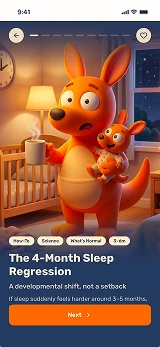
Yes, the 8-10 month sleep regression is very real and one of the most challenging. It's caused by major developmental leaps happening simultaneously: separation anxiety peaks, physical skills explode (crawling, standing), and cognitive awareness increases. Your baby's brain is too busy processing new abilities to prioritize sleep. This regression typically lasts 2-6 weeks but can be managed with consistent sleep training approaches that accommodate these changes.
Most 9-month-olds take 2 naps totaling 2-3 hours, though some still need 3 shorter naps. Signs they're ready for 2 naps include: fighting the third nap consistently, taking 30+ minutes to fall asleep for naps, or the last nap pushing bedtime past 8 PM. The transition usually takes 2-3 weeks. During transition, offer an earlier bedtime (6:30 PM is fine!) to prevent overtiredness.
True 'failure' at 9 months is usually about timing or consistency, not the method. Common obstacles include: regression masking progress (keep going!), inconsistent application due to exhaustion, wrong schedule (overtiredness makes everything harder), or underlying issues like reflux or allergies. If no improvement after 2 weeks of consistency, reassess the schedule first, many 9-month-olds need schedule adjustments. Consider whether separation anxiety needs more gradual approach. Most 'failures' succeed with small adjustments.
Most 9-month-olds can sleep 10-12 hours without feeding, but regression and anxiety cause frequent wakings. For anxiety-related wakings, offer brief reassurance without picking up. For skill-practice wakings (standing, crawling), stay boring and wait for self-settling. If genuinely upset, use your chosen method consistently. Track patterns, random wakings are usually regression-related and temporary. Consistent response is more important than the specific response you choose.
Yes! Every baby can learn to sleep well with the right guidance. Betteroo creates a personalized sleep plan based on your baby's unique patterns, age, and temperament. Our approach combines proven sleep science with gentle, emotionally-attuned coaching that works with your parenting style, not against it. Thousands of parents have seen real improvements in as little as one week.
Betteroo goes beyond generic advice. We provide a truly personalized experience that adapts to your baby's sleep patterns in real-time, considers your parenting values, and offers emotional support for the tough moments. Plus, our expert-backed coaching feels like having a sleep consultant in your pocket, at a fraction of the cost.
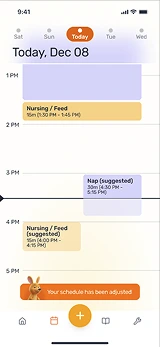
Betteroo is designed to adapt to your baby's changing needs, whether it's a growth spurt, teething, or a developmental leap. Our Smart Sleep Schedule adjusts in real-time, and we provide specific guidance for common challenges like sleep regressions, travel, and illness. You're never navigating these tough phases alone.
Not at all! Betteroo offers flexible approaches that align with your comfort level, from gentle, gradual methods to more structured techniques. You choose what feels right for your family, and we guide you through it step by step. There's no one-size-fits-all approach because every family is unique.
Yes! Betteroo works with your current sleep setup and feeding method. Whether you're breastfeeding, formula feeding, or combination feeding, and whether your baby sleeps in a crib, bassinet, or safely co-sleeps, we create a plan that fits your family's lifestyle while helping you reach your sleep goals.
Betteroo is designed for babies from newborn through toddler years. Our personalized plans adapt to your child's developmental stage, whether you're navigating newborn sleep patterns, the 4-month regression, or transitioning to one nap. We grow with your family's needs.
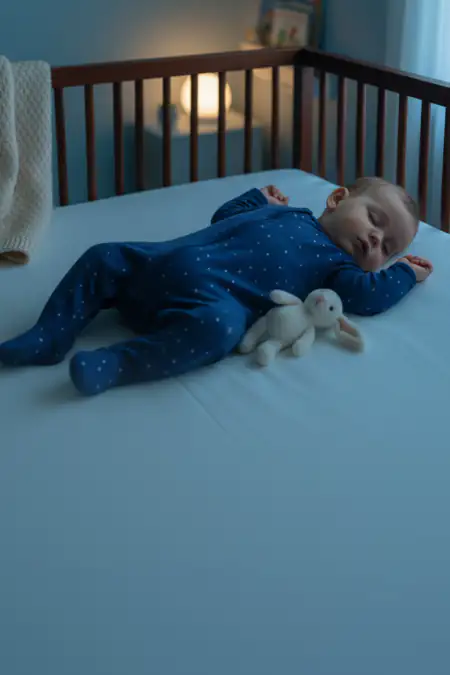
Nights can look completely different
A plan that adapts to separation anxiety and regressions. $1 a day, with a 30-day guarantee. Start tonight.
4.8 based on 24,129 reviews