

Sleep Training Your 21 Month Old
Bedtime negotiations and unpredictable nights. Get a gentle plan for toddlers who know exactly what they want.
Based on your age


Why 21 Month Olds Are Different
More words, bigger feelings, and bedtimes that take forever
At 21 months, your toddler is becoming a little person with opinions, preferences, and the words to express them. Bedtime has turned into a series of requests: one more book, one more song, water, potty, scared, hungry. Sound familiar? The patterns you've built together, whether rocking, nursing, lying with them, or responding to every call, have been reinforced almost 650 times. That's a lot of nights. It's easy to feel like change isn't possible anymore. But it is. 21 month olds understand routines deeply. They thrive on predictability. With a consistent, loving approach that honors their growing need for autonomy, new sleep patterns can take shape, often faster than you'd expect. Betteroo creates that personalized path forward.

Award-Winning Program

Proud Winner
Parents' Picks Awards 2026
Best Baby & Toddler Products
“Most parenting products are built around the baby. Betteroo was built for the parent.”

Proud Winner
Family Choice Awards 2026
Winner
“Recognized for putting the parent, not just the baby, at the center of sleep support.”

Proud Winner
Parents' Picks Awards 2026
Best Preschool Products
“Plans adapt in real time when life disrupts them, instead of expecting exhausted parents to comply with a static program.”
Proud Winner
Parents' Picks Awards 2026
Best Mom Products
“Betteroo isn't just helping babies sleep, it's helping parents feel seen.”
Backed by experts, Based on science, Loved by parents.

Based on research and data from these leading organizations
As Featured In




21 Month Sleep Support: Long Bedtimes, Big Feelings, and a Gentle Path Forward
Your 21 month old is approaching their second birthday with a personality all their own. At this age, sleep challenges are less about biology and more about the expectations and patterns you've built together, and gently reshaping them.
BEDTIMES HAVE BECOME MARATHONS If putting your 21 month old to bed now takes 60-90 minutes of books, songs, water requests, and "one more hug," you're not alone. Toddlers at this age have discovered the power of stalling, and they're remarkably good at it. This isn't defiance; it's developmentally normal testing of boundaries and connection-seeking. The solution is clear, loving limits.
RE-STARTING AFTER SETBACKS IS COMMON Many parents of 21 month olds successfully worked on sleep earlier, but travel, illness, teething, or regressions undid the progress. Now they're back to square one (or worse). This is incredibly common. The good news? Re-establishing healthy patterns is usually faster the second time, because the foundation is already there.
LANGUAGE CHANGES EVERYTHING Your 21 month old is using more words every day. This is wonderful, but it also means they can verbalize their protests more effectively. "Mama stay," "no bed," "scared" hit differently than crying. Betteroo helps you respond with compassion while still holding boundaries.
SCHEDULE STILL MATTERS (A LOT) Most sleep issues at 21 months trace back to schedule. A nap that ends too late pushes bedtime into battle territory. A nap that's too short creates an overtired mess by evening. Getting the timing right is half the solution.
TYPICAL SLEEP NEEDS AT 21 MONTHS
- Total daily sleep: 12.5-13 hours
- Nighttime sleep: 10-12 hours
- Daytime nap: 1.5-2.5 hours (1 nap)
- Wake windows: ~5-5.25 hours before nap, ~5.5-6 hours before bed
- Bedtime sweet spot: 7:30-8:00pm
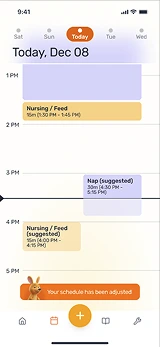
SAMPLE SCHEDULE (1 NAP) 7:00am wake → 12:15pm-2:15pm nap → 8:00pm bedtime
"IS IT TOO LATE?", NOT EVEN CLOSE. At 21 months, your toddler understands cause and effect, thrives on routine, and is capable of learning new patterns. Yes, the protests may be louder than they would have been at 6 months. Yes, they have more words to express their displeasure. But with the right approach, most families see meaningful change in 1-3 weeks.
WHAT ACTUALLY HELPS AT 21 MONTHS Success comes from three things: a schedule that's dialed in, an approach that matches your toddler's temperament AND your comfort level, and the consistency to hold gentle boundaries through the adjustment. Betteroo personalizes all of it, and gives you word-for-word scripts for those bedtime negotiations.
Who we are
We're on a mission to help parents and babies sleep better.

Rachel Rothman
Renowned parenting expert who blends science, empathy and real-world experience as a mom of three


Dr. Magdalena M. Oledzka, PT, PhD, DPT, MBA, PCS, c/NDT
Board-Certified Clinical Specialist in Pediatric Physical Therapy with 25+ years of experience. Clinical Lead at the Hospital for Special Surgery Pediatric Rehabilitation and Young Athlete Center.

Dr. Meidad Greenberg, MD
Board-certified pediatrician and pediatric nephrologist. Fellowship-trained at Albert Einstein College of Medicine and Children’s Hospital at Montefiore. Award-winning medical educator and father of three.

Ellen Reisel
Developmental psychologist with decades of experience working with children and parents and multidisciplinary teams.

Jennifer Jaye, LCSW
For more than 15 years, Jennifer has helped children and families better understand developmental and sensory differences.

Marci Silver, MS, CCC-SLP
NY, CA and CT-certified speech-language and feeding pathologist. Trained in PROMPT, TalkTools, SOS feeding and myofunctional therapy, with clinical experience at the Hospital for Special Surgery.
How It Works
Take Quiz
Understand Your 21 Month Old's Sleep (and How You're Holding Up)
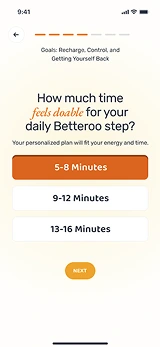
Our 3-minute quiz covers your toddler's patterns, temperament, and how you're doing, then builds your plan based on both realities. Your toddler's needs + your capacity = realistic solutions.
Get your custom plan
Get Personalized Plan
Custom Plan Built for Toddler Negotiations
Your plan addresses what's happening now: the marathon bedtimes, the night wakings, the stalling tactics, the requests that never end. And when your toddler tries new delay tactics? Your plan has compassionate scripts for that. 21 month olds are creative negotiators. Your plan helps you respond with love and limits.
Get Yourself Back
Only Sleep Plan that Stays With You
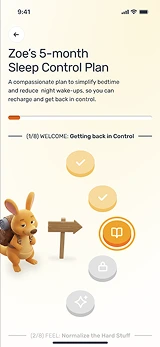
Sleep tools, expert guidance, and daily support, for your toddler's sleep AND your wellbeing. When you're exhausted, we adjust. When progress stalls, we troubleshoot. When you need us, we're here. Your toddler sleeps better. You recover. That's the point.

4.8 based on 24,129 reviews
Relatable content
4.6
Practical application
4.5
Extra resources
4.8
Easy to use
4.7
Course variety
4.8
Thousands are getting their sleep back

Bedtime had become a 90-minute ordeal. Books, songs, water, potty, more water, "one more hug." Every single night. Betteroo helped us create a loving but clear routine with boundaries. Now bedtime takes 15 minutes and everyone is happier, including our daughter.
We sleep trained at 8 months and it worked great, until a trip to grandma's house undid everything. At 21 months, we were back to multiple night wakings. Betteroo's re-training plan got us back on track in just 10 days. Wish we hadn't waited so long to try again.

Our 21 month old had never fallen asleep without being rocked. I was terrified it was too late. The gentle approach Betteroo recommended took 3 weeks, but she now falls asleep on her own and sleeps 11 hours. I didn't know this was possible.

The stalling was out of control. "Mama stay, one more book, water, scared, hungry", she had every trick. Betteroo's scripts helped me respond with compassion without giving in to endless requests. Bedtime is peaceful now. I look forward to it instead of dreading it.
No more...
Endless sleepless nights
90-min bedtime marathons
Trial and error with generic advice
Feeling overwhelmed and alone
Wondering if it's too late
Expensive sleep consultants
Join thousands of happy parents
24,129
Happy families
90%
See improvement in 1 week
4.8★
Average rating
Your 21 Month Sleep Questions, Answered
Everything you need to know about supporting better sleep when bedtimes have become negotiations.
Not at all. 21 months is a very common age for parents to either start working on sleep for the first time or re-establish patterns after regressions, travel, or illness. Your toddler understands routines deeply at this age, which actually makes them very responsive to consistent, loving approaches. Most families see meaningful improvement in 1-3 weeks.
Most 21 month olds need 12.5-13 hours of total sleep in 24 hours. This typically breaks down to 10-12 hours at night plus 1.5-2.5 hours during the day (one nap). The bedtime sweet spot is usually between 7:30-8:00pm. Consistently getting less sleep can affect mood, behavior, and development.
Long time-to-fall-asleep at 21 months is usually one of three things: schedule issues (under-tired or over-tired at bedtime), a pattern of stalling tactics that's been reinforced over time, or needing your presence/help to transition into sleep. Betteroo identifies which factor is driving YOUR toddler's long bedtimes and addresses it.
Night waking at 21 months is almost always about patterns or schedule, not hunger or biological need. Common causes: sleep associations (needing you present to fall asleep means needing you to fall BACK asleep), schedule issues, or habits that have been reinforced over many months. The good news is that new patterns can be learned with the right approach.
There's no single "best" approach, it depends on your toddler's temperament and your comfort level. Options range from very gradual (you stay present and slowly reduce involvement over weeks) to more structured check-in methods. Betteroo's quiz matches you with the approach most likely to work for YOUR toddler and YOUR values. We never require any method that doesn't feel right to you.
Absolutely, and you're not alone. Many families who had success earlier find themselves back at square one after travel, illness, teething, or developmental leaps. Re-establishing healthy patterns is usually faster the second time because the foundation is there. Betteroo creates a plan specifically for "re-training" situations.
Most families notice positive changes within 5-7 nights. Full consolidation (consistent sleep through the night, shorter bedtimes) typically takes 1-3 weeks with consistency. Progress is usually steady once schedule and approach are aligned, even if there are some bumpy nights along the way.
Some frustration is normal when routines change, your toddler is communicating that this is different from what they expected. However, Betteroo offers multiple approaches from very gradual (minimal upset) to more structured methods. You choose what aligns with your parenting values. Our goal is always to minimize distress while still making progress toward better sleep for everyone.
Stalling is peak 21-month behavior, "one more book," "water," "potty," "scared," "hungry." It's developmentally normal but can extend bedtime indefinitely. Betteroo provides compassionate scripts for responding to stalling while still holding boundaries. The key is consistency: when your toddler knows what to expect, the requests decrease.
Yes! Many Betteroo families have toddlers in daycare. The key is working WITH your daycare schedule rather than against it. Betteroo factors in daycare nap times and helps you adjust home sleep accordingly. Some inconsistency between settings is normal and won't derail progress as long as home routines stay consistent.
Absolutely. Betteroo is built on evidence-based sleep science reviewed by pediatric sleep experts. Research shows that helping toddlers develop healthy sleep patterns has no negative effects on attachment, behavior, or development. We offer multiple approaches, you choose what feels right for your family. We never require methods that don't align with your values.
Betteroo goes beyond generic advice. We provide a truly personalized experience that adapts to your 21 month old's specific situation, stalling tactics, temperament, daycare schedule, your parenting style, in real-time. Plus, we consider YOUR capacity too. It's like having a compassionate sleep consultant in your pocket, at a fraction of the cost.

Ready for shorter bedtimes and peaceful nights?
Get your personalized 21 month sleep plan in just 3 minutes. No more marathon bedtimes, no more wondering if it's too late.
4.8 based on 24,129 reviews