

Sleep Training Your 2 Month Old
Your baby's circadian rhythm is just forming. Get a personalized plan designed for this critical stage.
Based on your age


The Truth About 2-Month Sleep
Your baby isn't ready for training (and that's completely normal)
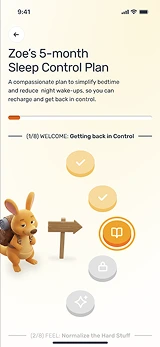
At 2 months, your baby's brain is still developing basic sleep architecture. Their circadian rhythm hasn't formed yet, they physically need to wake frequently for feeding, and their nervous system requires regular comfort and co-regulation from you. Sleep training now isn't just ineffective - it goes against your baby's biological needs. But exhaustion is real, and you need help NOW. While formal sleep training should wait until 4-6 months, there are gentle, developmentally appropriate ways to improve sleep at 2 months. Think of these as soothing strategies and routine building, not training. Betteroo provides age-appropriate guidance that respects your 2-month-old's needs while helping you survive these intense early months. We'll show you gentle techniques that work now, and prepare you for successful sleep training when your baby is actually ready.
Award-Winning Program

Proud Winner
Parents' Picks Awards 2026
Best Baby & Toddler Products
“Most parenting products are built around the baby. Betteroo was built for the parent.”

Proud Winner
Family Choice Awards 2026
Winner
“Recognized for putting the parent, not just the baby, at the center of sleep support.”

Proud Winner
Parents' Picks Awards 2026
Best Preschool Products
“Plans adapt in real time when life disrupts them, instead of expecting exhausted parents to comply with a static program.”
Proud Winner
Parents' Picks Awards 2026
Best Mom Products
“Betteroo isn't just helping babies sleep, it's helping parents feel seen.”
Backed by experts, Based on science, Loved by parents.
Based on research and data from these leading organizations
As Featured In




Why Sleep Training at 2 Months May Be Too Early - But Gentle Soothing Can Help
Is sleep training safe for 2-month-olds?
Sleep experts and pediatricians strongly advise against formal sleep training at 2 months. Your baby's neurological system is too immature to self-soothe or consolidate sleep. Studies on sleep training don't even include babies under 4 months because they're not developmentally capable yet. At 2 months, frequent waking is biological - they need to feed every 2-3 hours and their sleep cycles are only 50 minutes long. However, gentle soothing techniques and routine building are safe and beneficial. These aren't sleep training - they're age-appropriate comfort strategies.
Why is 2 months too early for sleep training?
Your 2-month-old lacks the neurological development needed for independent sleep. Their circadian rhythm won't develop until 3-4 months - right now, they can't distinguish day from night biologically. REM sleep comprises 50% of their sleep (versus 20% in adults), causing frequent stirring. They genuinely need to feed every 2-3 hours for growth and brain development. Self-soothing abilities don't emerge until 3-4 months at the earliest. Their stress response system is immature and needs your co-regulation. Attempting sleep training now often increases stress without improving sleep.
What gentle techniques help at 2 months?
Focus on soothing and routine building rather than independence. The "pause" technique means waiting 30-60 seconds before responding to sounds - many babies are just transitioning between sleep cycles. Swaddling (if not rolling) helps control the startle reflex that wakes them. White noise masks household sounds and mimics the womb. Creating a simple bedtime routine (even just 10 minutes) helps signal sleep is coming. Practice putting baby down drowsy but awake occasionally - no pressure if it doesn't work. Room temperature of 68-72°F promotes better sleep. These techniques don't force independence but create positive sleep associations.
What's normal sleep for a 2-month-old?
Understanding normal helps adjust expectations. Two-month-olds typically sleep 15-17 hours total in 24 hours, but it's fragmented: 8-10 hours at night (with 3-5 wakings for feeding) and 7-8 hours across 4-5 daytime naps. Sleep stretches are usually 2-4 hours maximum at night, 30-90 minutes for naps. The longest stretch often happens in the early evening (not overnight). Day/night confusion is still common. Frequent feeding is necessary and normal. If your baby seems healthy and is gaining weight, their sleep pattern is likely fine.
When should I actually start sleep training?
Most experts recommend waiting until at least 4 months, with many suggesting 5-6 months as ideal. Signs your baby is ready include: showing clear day/night differentiation, going 4+ hours between feeds at night, demonstrating some self-soothing behaviors (thumb sucking, turning head), having more predictable sleep patterns, and weighing at least 14 pounds. Until then, focus on gentle foundations. The sleep habits you build now will make formal training easier when the time comes.
How can I survive the exhaustion at 2 months?
Parent survival is crucial during this phase. Sleep when baby sleeps - seriously, let everything else wait. Take shifts with your partner if possible - one takes early night, one takes early morning. Accept help from anyone offering (meals, holding baby while you nap). Lower your standards for housework temporarily. Consider safe co-sleeping if it helps everyone rest (follow AAP guidelines). Remember this phase is temporary - most babies naturally sleep longer stretches by 3-4 months. You're not failing; you're in survival mode, and that's okay.
Who we are
We're on a mission to help parents and babies sleep better.

Rachel Rothman
Renowned parenting expert who blends science, empathy and real-world experience as a mom of three


Dr. Magdalena M. Oledzka, PT, PhD, DPT, MBA, PCS, c/NDT
Board-Certified Clinical Specialist in Pediatric Physical Therapy with 25+ years of experience. Clinical Lead at the Hospital for Special Surgery Pediatric Rehabilitation and Young Athlete Center.

Dr. Meidad Greenberg, MD
Board-certified pediatrician and pediatric nephrologist. Fellowship-trained at Albert Einstein College of Medicine and Children’s Hospital at Montefiore. Award-winning medical educator and father of three.

Ellen Reisel
Developmental psychologist with decades of experience working with children and parents and multidisciplinary teams.

Jennifer Jaye, LCSW
For more than 15 years, Jennifer has helped children and families better understand developmental and sensory differences.

Marci Silver, MS, CCC-SLP
NY, CA and CT-certified speech-language and feeding pathologist. Trained in PROMPT, TalkTools, SOS feeding and myofunctional therapy, with clinical experience at the Hospital for Special Surgery.
How It Works
Take Quiz
Understand Your 2 Month Old's Sleep (and Your Survival Mode)
Our 3-minute quiz covers your baby's patterns AND how you're doing - then builds your plan based on both realities. Your baby's needs + your capacity = realistic solutions.
Get your custom plan
Get Personalized Plan
Custom Plan Built for You and Your Baby
Your plan addresses 2 month old reality: frequent waking, short stretches, day-night confusion. And when growth spurts hit? Your plan adjusts too. Life with a newborn is survival. Your plan accounts for that.
Get Yourself Back
Only Sleep Plan that Stays With You
Sleep tools, expert guidance, and daily support - for your baby's sleep AND your recovery. When you're depleted, we adjust. When life's chaotic, we simplify. When you need us, we're here. Baby sleeps. You recover. That's the point.

4.8 based on 24,129 reviews
Relatable content
4.6
Practical application
4.5
Extra resources
4.8
Easy to use
4.7
Course variety
4.8
Thousands are getting their sleep back
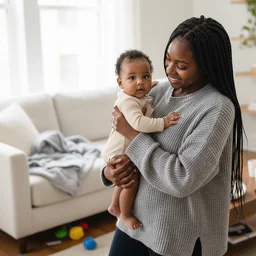
We were desperate to sleep train at 2 months but Betteroo explained why waiting was better. The gentle soothing techniques helped us survive until 4 months, when real training worked beautifully. So glad we didn't force it early!
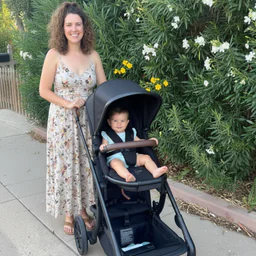
Understanding that frequent waking is NORMAL at 2 months saved my sanity. The pause technique and white noise made a real difference. We weren't sleep training, just surviving smarter. By 5 months, our son was ready and training was easy.
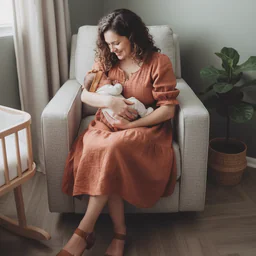
The guilt-free approach was exactly what we needed. No crying methods, no unrealistic expectations. Just gentle routines and soothing. Our 2-month-old went from waking every hour to having one 3-hour stretch. That felt huge!

Every other site pushed sleep training too early. Betteroo was honest - our baby wasn't ready at 2 months. The survival strategies kept us sane, and the readiness quiz helped us know exactly when to start real training at 4.5 months.
No more...
Expensive sleep consultants
Endless sleepless nights
Feeling overwhelmed and alone
Trial and error with generic advice
Forcing stressful methods
Feeling like you're failing
Join thousands of happy parents
24,129
Happy families
90%
See improvement in 1 week
4.8★
Average rating
Your 2-Month Sleep Questions, Honestly Answered
Two months is intense. Here's the truth about sleep at this age and what actually helps.
No, formal sleep training isn't appropriate at 2 months. Your baby's brain hasn't developed the capacity for self-soothing or sleep consolidation. Their circadian rhythm won't form until 3-4 months, and they genuinely need frequent feeding and comfort. Sleep training studies don't even include babies under 4 months because they're not developmentally ready. Instead, focus on gentle soothing techniques and routine building that respect your baby's biological needs while helping everyone get more rest.
Frequent waking is completely normal and necessary at 2 months. Your baby wakes because: they need to feed every 2-3 hours for growth, their sleep cycles are only 50 minutes long, they spend 50% of sleep in REM (light sleep), their circadian rhythm hasn't developed, and they need comfort and reassurance. This isn't a problem to fix - it's biologically appropriate. Most babies naturally begin sleeping longer stretches between 3-4 months as their nervous system matures.
While you can't sleep train, you can optimize sleep conditions. Use swaddling if baby isn't rolling to control startle reflex. White noise helps mask disruptive sounds. Keep room dark and cool (68-72°F). Create a simple 10-minute bedtime routine. Try the 'pause' - wait 30-60 seconds before responding as baby might resettle. Offer a pacifier if breastfeeding is established. Watch for tired cues and act quickly. These won't create overnight sleep, but they can extend sleep stretches by 30-60 minutes.
Most experts recommend starting between 4-6 months when your baby is developmentally ready. Look for these signs: consistent day/night pattern emerging, going 4+ hours between night feeds, some self-soothing behaviors (thumb sucking), more predictable sleep patterns, and weighing at least 14 pounds. Some babies are ready at 4 months, others not until 5-6 months. There's no rush - babies who start sleep training at 6 months often learn faster than those who start at 4 months because they're more developmentally mature.
Completely normal! At 2 months, many babies prefer contact sleep because it regulates their temperature, breathing, and stress hormones. This is biological, not a bad habit. You can gradually practice putting baby down drowsy but awake, but don't stress if it doesn't work. Use a baby carrier for naps if needed. This preference usually decreases naturally around 3-4 months. For now, do what works - you're not creating bad habits, you're meeting developmental needs.
Two-month-olds typically need 15-17 hours of sleep in 24 hours, but it's very fragmented. Expect 8-10 hours at night (with 3-5 wakings) and 7-8 hours across 4-5 daytime naps. Individual sleep sessions are short: 2-4 hour stretches at night maximum, 30-90 minute naps. Some babies need more, others less. If your baby is generally content when awake, feeding well, and gaining weight appropriately, they're getting enough sleep regardless of the exact hours.
Yes! While you can't formally sleep train at 2 months, building foundations helps tremendously. A consistent bedtime routine teaches sleep cues. Putting baby down drowsy but awake (when possible) introduces the crib as a safe space. Regular sleep location builds familiarity. Appropriate sleep environment becomes normal. These gentle practices don't force independence but make the transition to sleep training much smoother when your baby is ready at 4-6 months.
Some older-school pediatricians recommend early cry-it-out, but current research and most sleep experts advise against formal crying methods before 4 months. At 2 months, crying is communication about genuine needs. However, the 'pause' technique (waiting 30-60 seconds) is different - you're giving baby a chance to transition between sleep cycles, not ignoring distress. If crying escalates or continues, always respond. Trust your instincts - you know your baby's different cries better than anyone.
Yes! Every baby can learn to sleep well with the right guidance. Betteroo creates a personalized sleep plan based on your baby's unique patterns, age, and temperament. Our approach combines proven sleep science with gentle, emotionally-attuned coaching that works with your parenting style, not against it. Thousands of parents have seen real improvements in as little as one week.
Many parents notice positive changes within the first 3-5 days, though every baby's timeline is unique. The key is consistency with your personalized plan. Betteroo adapts as you go, celebrating small wins and adjusting when needed. Remember, sustainable sleep changes take time, but with the right support, you'll get there together.
Betteroo goes beyond generic advice. We provide a truly personalized experience that adapts to your baby's sleep patterns in real-time, considers your parenting values, and offers emotional support for the tough moments. Plus, our expert-backed coaching feels like having a sleep consultant in your pocket, at a fraction of the cost.
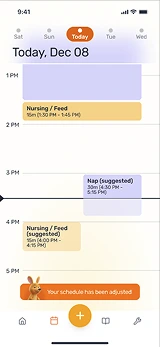
Betteroo is designed to adapt to your baby's changing needs, whether it's a growth spurt, teething, or a developmental leap. Our Smart Sleep Schedule adjusts in real-time, and we provide specific guidance for common challenges like sleep regressions, travel, and illness. You're never navigating these tough phases alone.
Not at all! Betteroo offers flexible approaches that align with your comfort level, from gentle, gradual methods to more structured techniques. You choose what feels right for your family, and we guide you through it step by step. There's no one-size-fits-all approach because every family is unique.
Yes! Betteroo works with your current sleep setup and feeding method. Whether you're breastfeeding, formula feeding, or combination feeding, and whether your baby sleeps in a crib, bassinet, or safely co-sleeps, we create a plan that fits your family's lifestyle while helping you reach your sleep goals.
Betteroo is designed for babies from newborn through toddler years. Our personalized plans adapt to your child's developmental stage, whether you're navigating newborn sleep patterns, the 4-month regression, or transitioning to one nap. We grow with your family's needs.
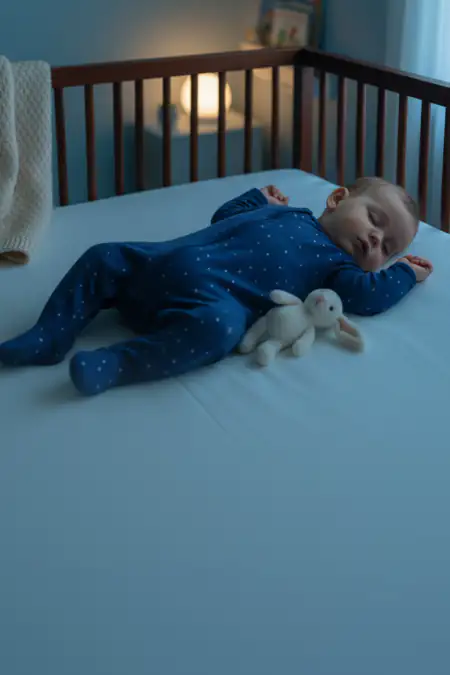
Get Through the 2-Month Phase With Confidence
Learn what actually helps now and when to start real sleep training. No false promises, just honest guidance and gentle techniques.
4.8 based on 24,129 reviews