

Sleep Training Your 11 Month Old
Almost a toddler with big opinions about sleep! Get a gentle plan that respects their growing independence.
Based on your age


Why 11 Months Is Unique
On the cusp of toddlerhood with all the challenges that brings
At 11 months, your baby is nearly a toddler, walking (or about to), communicating more clearly, and developing strong preferences about everything, including sleep. They're dealing with lingering separation anxiety while asserting newfound independence. Add in possible early signs of the 12-month sleep regression, and bedtime can feel like a battle of wills. The good news? Eleven-month-olds are incredibly capable of learning sleep skills quickly when approached correctly. They understand routines, can self-soothe effectively, and respond well to consistency. They're also old enough for any sleep training method, giving you more options. Betteroo creates a personalized plan that works with your almost-toddler's personality. Whether they're strong-willed, sensitive, or somewhere in between, we'll help you navigate this transition with methods that respect their development while establishing the sleep patterns your whole family needs.

Award-Winning Program

Proud Winner
Parents' Picks Awards 2026
Best Baby & Toddler Products
“Most parenting products are built around the baby. Betteroo was built for the parent.”

Proud Winner
Family Choice Awards 2026
Winner
“Recognized for putting the parent, not just the baby, at the center of sleep support.”

Proud Winner
Parents' Picks Awards 2026
Best Preschool Products
“Plans adapt in real time when life disrupts them, instead of expecting exhausted parents to comply with a static program.”
Proud Winner
Parents' Picks Awards 2026
Best Mom Products
“Betteroo isn't just helping babies sleep, it's helping parents feel seen.”
Backed by experts, Based on science, Loved by parents.

Based on research and data from these leading organizations
As Featured In




Effective and Gentle Sleep Training Tips for Your 11-Month-Old
Is sleep training safe for 11-month-olds?
Absolutely! Eleven months is an excellent time for sleep training. Your baby has full neurological readiness - mature circadian rhythm, established self-soothing abilities, and cognitive understanding of cause and effect. Most can sleep 11-12 hours without feeding. The key is choosing methods that work with their emerging toddler personality. Strong-willed 11-month-olds may need firmer boundaries, while sensitive ones still benefit from gradual approaches. All methods are safe at this age when applied consistently with love.
How do I manage separation anxiety while sleep training?
While separation anxiety typically peaks around 8-10 months, many 11-month-olds still experience it, especially at bedtime. During the day, practice confident departures and returns - no sneaking away. Create a consistent goodbye ritual and stick to it. At bedtime, use a special lovey or comfort object. Consider a photo of family by the crib. For severe anxiety, start with the Chair Method allowing your presence. Most importantly, your calm confidence teaches them bedtime is safe. Anxiety typically improves within 1-2 weeks of consistent approach.
What sleep training methods work best at 11 months?
At 11 months, all methods are developmentally appropriate, choose based on your comfort and baby's temperament. Pick-Up/Put-Down provides comfort for sensitive babies but requires patience. The Chair Method works well for separation anxiety - you stay present while gradually moving away. Check and Console/Ferber uses timed check-ins, balancing reassurance with independence. Extinction (cry-it-out) works fastest (3-5 nights) for babies who escalate with checks. Gradual Fading slowly reduces intervention over 2-3 weeks. Consider your baby's personality - does your presence help or hinder?
Why is my 11-month-old suddenly fighting sleep?
Several factors converge at 11 months. Early signs of the 12-month regression may appear - transitioning from baby to toddler sleep patterns. New mobility (walking!) creates excitement and FOMO at bedtime. Emerging language skills mean they can protest more effectively. Growing independence leads to testing boundaries. Some are ready to transition from 2 naps to 1 (though most aren't quite yet). Understanding these factors helps - this isn't defiance, it's development. Consistent, calm responses help them through this transition.
Can I continue breastfeeding while sleep training?
Yes! Sleep training and breastfeeding are completely compatible at 11 months. Most 11-month-olds don't need night feeds nutritionally, but if you want to keep one, that's fine. Move bedtime feeding to 30 minutes before sleep, not right before. Feed in a bright room with activity afterward. If keeping a night feed, make it boring and business-like. Put baby back awake after feeding. Many naturally night wean once they master independent sleep skills. Your milk supply won't suffer if you're nursing during the day.
How long does sleep training take at 11 months?
Eleven-month-olds typically respond well to consistent sleep training. With firmer methods (Ferber, extinction), expect significant improvement by night 3-5, sleeping through by night 7. With gentler methods (Chair, Fading), expect gradual improvement over 7-10 nights, solid success by week 2-3. Strong-willed 11-month-olds may test boundaries longer initially but often have dramatic breakthroughs. Factors affecting timeline include consistency, temperament, and previous sleep associations. Stay consistent for at least 2 weeks - almost-toddlers need time to accept new patterns.
Who we are
We're on a mission to help parents and babies sleep better.

Rachel Rothman
Renowned parenting expert who blends science, empathy and real-world experience as a mom of three


Dr. Magdalena M. Oledzka, PT, PhD, DPT, MBA, PCS, c/NDT
Board-Certified Clinical Specialist in Pediatric Physical Therapy with 25+ years of experience. Clinical Lead at the Hospital for Special Surgery Pediatric Rehabilitation and Young Athlete Center.

Dr. Meidad Greenberg, MD
Board-certified pediatrician and pediatric nephrologist. Fellowship-trained at Albert Einstein College of Medicine and Children’s Hospital at Montefiore. Award-winning medical educator and father of three.

Ellen Reisel
Developmental psychologist with decades of experience working with children and parents and multidisciplinary teams.

Jennifer Jaye, LCSW
For more than 15 years, Jennifer has helped children and families better understand developmental and sensory differences.

Marci Silver, MS, CCC-SLP
NY, CA and CT-certified speech-language and feeding pathologist. Trained in PROMPT, TalkTools, SOS feeding and myofunctional therapy, with clinical experience at the Hospital for Special Surgery.
How It Works
Take Quiz
Understand Your 11 Month Old's Sleep (and How You're Surviving)
Our 3-minute quiz covers your baby's patterns AND how you're doing - then builds your plan based on both realities. Your baby's needs + your capacity = realistic solutions.
Get your custom plan
Get Personalized Plan
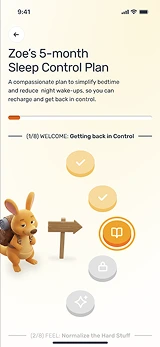
Custom Plan Built for You and Your Baby
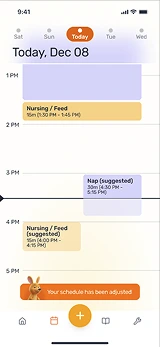
Your plan addresses what's happening now: standing, cruising, teething, nap transitions. And when your baby shifts? Your plan shifts too. Life is busy at 11 months. Your plan accounts for that.
Get Yourself Back
Only Sleep Plan that Stays With You
Sleep tools, expert guidance, and daily support - for your baby's sleep AND your recovery. When you're depleted, we adjust. When life's chaotic, we simplify. When you need us, we're here. Baby sleeps. You recover. That's the point.


4.8 based on 24,129 reviews
Relatable content
4.6
Practical application
4.5
Extra resources
4.8
Easy to use
4.7
Course variety
4.8
Thousands are getting their sleep back
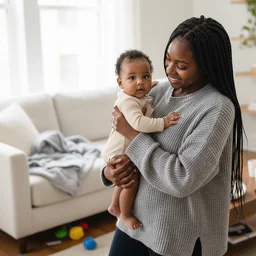
Our 11-month-old was SO strong-willed about sleep. The Ferber method Betteroo recommended was perfect - firm but loving. She tested us for 4 nights then suddenly started sleeping 12 hours straight. Amazing!
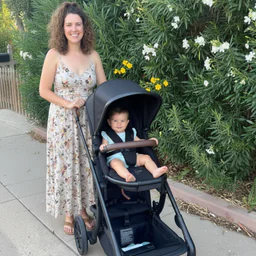
We thought 11 months might be too late, but it was actually perfect! Our son understood the routine quickly. The Chair Method worked beautifully for his lingering separation anxiety. Two weeks to success!
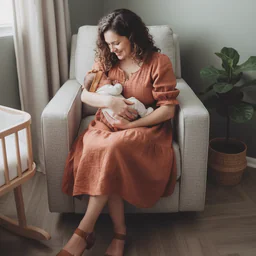
Our daughter had just started walking and wouldn't stop practicing at bedtime! The plan helped us tire her out during the day and stay boring at night. She went from fighting sleep to loving her crib.

The personalized approach was key - our sensitive 11-month-old needed the gradual fading method. It took patience, but no traumatic crying. He now sleeps 7pm-6am consistently. Life-changing!
No more...
Expensive sleep consultants
Everyone exhausted and frustrated
Trial and error with generic advice
Endless sleepless nights
Feeling overwhelmed and alone
Bedtime battles with your baby
Wondering if it's too late
Join thousands of happy parents
24,129
Happy families
90%
See improvement in 1 week
4.8★
Average rating
Your 11-Month Sleep Training Questions, Answered
Eleven months brings unique opportunities as your baby approaches toddlerhood. Here's what you need to know about sleep training at this age.
Not at all! Eleven months is actually an excellent age for sleep training. Your baby has full neurological development for independent sleep, understands routines and consequences, and can learn new patterns quickly. While habits may be more established than in younger babies, 11-month-olds also have better comprehension, making training often more straightforward. Many families find success is actually faster at 11 months because babies understand what's expected. It's never too late to improve sleep!
Strong-willed 11-month-olds often do better with clearer boundaries. Consider Ferber/Check and Console or even extinction if you're comfortable. These methods provide consistent limits that strong-willed babies actually find reassuring once they understand the rules. Gradual methods can sometimes lead to more prolonged battles with determined babies. However, stay responsive to distress versus protest - you know your baby best. Whatever method you choose, consistency is crucial with strong-willed children.
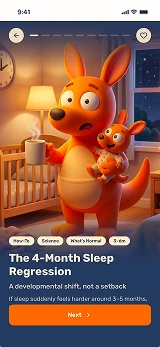
While less famous than other regressions, many babies experience sleep disruption around 11-12 months. This is related to: transitioning toward toddlerhood, cognitive leaps in understanding, physical milestones like walking, and sometimes early nap transition signs. This isn't true regression - it's progression! Maintain consistent responses, don't create new sleep crutches, and know it typically passes within 1-2 weeks. Sleep training during this time actually helps by providing structure.
Most 11-month-olds still need 2 naps, but some show early signs of readiness for 1. Signs include: consistently fighting the morning nap, taking only one nap despite opportunities for two, or bedtime pushing very late with 2 naps. If you see these signs consistently for 2 weeks, try transitioning. However, most babies aren't ready until 12-18 months. Premature nap dropping can worsen night sleep, so don't rush unless clear signs persist.
New walkers often have temporary sleep disruption from excitement and practice urges. However, don't wait, this phase can last weeks! During the day, provide extensive walking practice. At bedtime, keep everything calm and boring. If they stand/walk in the crib, don't engage - let them figure out lying down. Most new walkers stop the midnight practice within 5-7 nights if you stay boring. Sleep training provides structure during this exciting time.
Room sharing requires some creativity but doesn't prevent sleep training. Options include: temporarily moving the sibling during training (first week), using white noise to mask sounds, staggering bedtimes so baby is asleep first, or explaining to older siblings what's happening. Most siblings sleep through sleep training sounds within 2-3 nights. The temporary disruption is worth long-term better sleep for everyone. Consider starting on a weekend for flexibility.
Yes, though you'll need to decide your end goal. If transitioning to independent sleep, start with naps in the crib, then nights. Use gradual methods like Chair Method or camping out (sleeping near crib). If continuing co-sleeping but want better sleep, focus on sleep associations - reduce nursing/rocking to sleep while maintaining proximity. Many families successfully combination-feed and partially co-sleep while teaching independent sleep initiation.
At 11 months, protest crying during sleep training is normal and varies by method and temperament. With extinction, expect 30-60 minutes night 1, decreasing to under 10 minutes by night 3-5. With Ferber, expect 20-45 minutes with checks night 1-2, improving by night 3. With gentle methods, expect intermittent fussing over 2-3 weeks. Strong-willed babies may cry longer initially but often have dramatic breakthroughs. Distress crying (different from protest) should always be addressed.
Yes! Every baby can learn to sleep well with the right guidance. Betteroo creates a personalized sleep plan based on your baby's unique patterns, age, and temperament. Our approach combines proven sleep science with gentle, emotionally-attuned coaching that works with your parenting style, not against it. Thousands of parents have seen real improvements in as little as one week.
Many parents notice positive changes within the first 3-5 days, though every baby's timeline is unique. The key is consistency with your personalized plan. Betteroo adapts as you go, celebrating small wins and adjusting when needed. Remember, sustainable sleep changes take time, but with the right support, you'll get there together.
Betteroo goes beyond generic advice. We provide a truly personalized experience that adapts to your baby's sleep patterns in real-time, considers your parenting values, and offers emotional support for the tough moments. Plus, our expert-backed coaching feels like having a sleep consultant in your pocket, at a fraction of the cost.
Betteroo is designed to adapt to your baby's changing needs, whether it's a growth spurt, teething, or a developmental leap. Our Smart Sleep Schedule adjusts in real-time, and we provide specific guidance for common challenges like sleep regressions, travel, and illness. You're never navigating these tough phases alone.
Not at all! Betteroo offers flexible approaches that align with your comfort level, from gentle, gradual methods to more structured techniques. You choose what feels right for your family, and we guide you through it step by step. There's no one-size-fits-all approach because every family is unique.
Yes! Betteroo works with your current sleep setup and feeding method. Whether you're breastfeeding, formula feeding, or combination feeding, and whether your baby sleeps in a crib, bassinet, or safely co-sleeps, we create a plan that fits your family's lifestyle while helping you reach your sleep goals.
Betteroo is designed for babies from newborn through toddler years. Our personalized plans adapt to your child's developmental stage, whether you're navigating newborn sleep patterns, the 4-month regression, or transitioning to one nap. We grow with your family's needs.

Your 11-Month-Old Is Ready for Amazing Sleep
Get a personalized plan that works with your almost-toddler's personality. See improvement within a week, sleeping through within two.
4.8 based on 24,129 reviews