

Sleep Training Your 1 Year Old
Your toddler is ready for better sleep. Get a personalized plan that handles separation anxiety with confidence.
Based on your age


Why 1-Year-Olds Are Different
Ready for sleep, wrestling with independence
At 12 months, your toddler's circadian rhythm is fully mature and they're capable of sleeping through the night. But they're also experiencing peak separation anxiety (8-18 months), transitioning from 2 naps to 1, and testing every boundary you set. That's why generic sleep training fails at this age. Your 1-year-old needs an approach that respects their growing independence while providing the security they crave. Betteroo creates a personalized plan that works WITH your toddler's development, not against it. We'll help you navigate the nap transition, address separation anxiety with compassion, and establish bedtime boundaries that stick, all using methods that match YOUR parenting style.

Award-Winning Program

Proud Winner
Parents' Picks Awards 2026
Best Baby & Toddler Products
“Most parenting products are built around the baby. Betteroo was built for the parent.”

Proud Winner
Family Choice Awards 2026
Winner
“Recognized for putting the parent, not just the baby, at the center of sleep support.”

Proud Winner
Parents' Picks Awards 2026
Best Preschool Products
“Plans adapt in real time when life disrupts them, instead of expecting exhausted parents to comply with a static program.”
Proud Winner
Parents' Picks Awards 2026
Best Mom Products
“Betteroo isn't just helping babies sleep, it's helping parents feel seen.”
Backed by experts, Based on science, Loved by parents.

Based on research and data from these leading organizations
As Featured In




Everything You Need to Know About Sleep Training at 12 Months/1 Year
Is my 1-year-old developmentally ready?
Absolutely. Your toddler's brain has developed all the neural pathways needed for independent sleep. Their circadian rhythm is fully mature, producing melatonin at bedtime and cortisol in the morning. They can link 90-120 minute sleep cycles, self-soothe between cycles, and sleep 10-12 hours without feeding.
Which method should I choose?
The right method depends on your parenting philosophy and your toddler's temperament. Check and Console works well for families comfortable with some crying (3-7 nights, moderate crying). The Chair Method suits attachment-focused parents who want to stay present (1-2 weeks, minimal crying). Pick Up/Put Down is ideal if you're uncomfortable with any crying but requires high involvement (2-3 weeks). Camping Out helps transition from co-sleeping (1-2 weeks, very low crying). Bedtime Fading works best for strong-willed toddlers who fight sleep (2-3 weeks, minimal crying).
How do I handle separation anxiety while sleep training?
Separation anxiety peaks right when you're sleep training, this is normal and shows healthy attachment. During the day, practice short separations through evolved peek-a-boo games. Create consistent goodbye rituals and always say goodbye instead of sneaking away. At bedtime, extend your routine to 20-30 minutes for extra connection. Introduce a transitional object they choose themselves. Reassure them you'll check on them and consider leaving a worn shirt for comfort.
What about the 2-to-1 nap transition?
Most 1-year-olds are dropping to one nap, which temporarily disrupts everything. Signs include fighting the morning nap, taking 30+ minutes to fall asleep, or the second nap pushing bedtime past 8 PM. To transition, push morning nap 15 minutes later every 3 days until you reach 12:30-1:00 PM. Expect grumpiness for 2-4 weeks and use an earlier bedtime (even 6:30 PM) during the transition.
Will sleep training harm our attachment?
Research shows gentle, responsive sleep training actually strengthens attachment by creating predictable routines that build security, teaching self-regulation skills, reducing parental stress, and improving daytime interactions when everyone's rested. Studies find no difference in attachment, stress, or emotional development at 5-year follow-up.
Who we are
We're on a mission to help parents and babies sleep better.

Rachel Rothman
Renowned parenting expert who blends science, empathy and real-world experience as a mom of three


Dr. Magdalena M. Oledzka, PT, PhD, DPT, MBA, PCS, c/NDT
Board-Certified Clinical Specialist in Pediatric Physical Therapy with 25+ years of experience. Clinical Lead at the Hospital for Special Surgery Pediatric Rehabilitation and Young Athlete Center.

Dr. Meidad Greenberg, MD
Board-certified pediatrician and pediatric nephrologist. Fellowship-trained at Albert Einstein College of Medicine and Children’s Hospital at Montefiore. Award-winning medical educator and father of three.

Ellen Reisel
Developmental psychologist with decades of experience working with children and parents and multidisciplinary teams.

Jennifer Jaye, LCSW
For more than 15 years, Jennifer has helped children and families better understand developmental and sensory differences.

Marci Silver, MS, CCC-SLP
NY, CA and CT-certified speech-language and feeding pathologist. Trained in PROMPT, TalkTools, SOS feeding and myofunctional therapy, with clinical experience at the Hospital for Special Surgery.
How It Works
Take Quiz
Understand Your 1 Year Old's Sleep (and How You're Surviving)
Our 3-minute quiz covers your baby's patterns AND how you're doing - then builds your plan based on both realities. Your baby's needs + your capacity = realistic solutions.
Get your custom plan
Get Personalized Plan
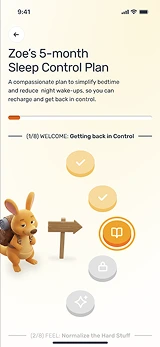
Custom Plan Built for You and Your Baby
Your plan addresses what's happening now: big feelings, opinions, nap transitions, testing boundaries. And when your toddler shifts? Your plan shifts too. Life with a 1 year old is unpredictable. Your plan accounts for that.
Get Yourself Back
Only Sleep Plan that Stays With You
Sleep tools, expert guidance, and daily support - for your baby's sleep AND your recovery. When you're depleted, we adjust. When life's chaotic, we simplify. When you need us, we're here. Baby sleeps. You recover. That's the point.



4.8 based on 24,129 reviews
Relatable content
4.6
Practical application
4.5
Extra resources
4.8
Easy to use
4.7
Course variety
4.8
Thousands are getting their sleep back

We were exhausted from our 13-month-old waking 4 times a night. The plan addressed her separation anxiety perfectly. Week one was challenging, but by week two she was sleeping 11 hours straight. The method comparison helped us choose an approach we felt comfortable with.
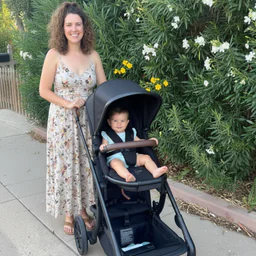
After co-sleeping for a year, we needed change but felt guilty. The camping out method Betteroo recommended was perfect for our attachment style. Our daughter transitioned to her crib in 10 days without trauma. She actually loves her own space now!
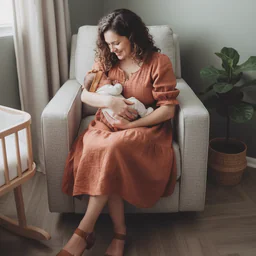
Our 12-month-old was fighting both naps and bedtime. The personalized plan helped us navigate the 2-to-1 nap transition while fixing nights. Having expert support through the regression was invaluable. He's sleeping 7-7 now!

Every sleep training guide felt too harsh for our gentle parenting approach. Betteroo gave us a pick-up/put-down variation that aligned with our values. Yes, it took 2 weeks, but no harsh crying and our 14-month-old now self-soothes beautifully.
No more...
Expensive sleep consultants
Hours of bedtime battles
Draining 4 AM wake-ups
Conflicting method advice
Guilt about sleep training
Parenting exhausted
Join thousands of happy parents
24,129
Happy families
90%
See improvement in 1 week
4.8★
Average rating
Your 1-Year-Old Sleep Training Questions, Answered
Sleep training a toddler feels overwhelming. Here are honest answers to what parents ask most about 12-month sleep training.
Not at all! One year is actually an ideal age for sleep training. Your toddler's circadian rhythm is fully developed, they understand cause and effect, and they're cognitively ready to learn new sleep skills. Many families find it easier than infant sleep training because you can communicate more clearly with a 1-year-old. Plus, the sleep skills they learn now will serve them through toddlerhood and beyond.
Most families see significant improvement within 5-7 nights, with full success in 2-3 weeks. The timeline depends on your chosen method, your consistency, and your toddler's temperament. Strong-willed toddlers may take longer initially but often show dramatic improvement once they understand the new expectations. The key is staying consistent even when progress feels slow, toddlers are testing boundaries, which is developmentally normal.
Yes, though we recommend stabilizing one before tackling the other. If naps are your bigger challenge, address the transition first over 2-3 weeks, then work on nights. If nights are harder, start there and tackle naps once sleep is consolidated. Our personalized plan guides you through the right sequence for your family. Many 1-year-olds naturally improve nighttime sleep once their nap schedule stabilizes.
Many 1-year-olds can sleep 10-12 hours without feeding, but some genuinely need one nighttime feed. We'll help you determine if night feeds are hunger or habit. If it's habit, we create a gentle weaning plan that doesn't require stopping breastfeeding completely, just separating nursing from sleep associations. This often means moving the last feed 30 minutes before bedtime and gradually reducing night feeds.
This is incredibly common at 12 months! Your toddler is practicing their new standing skills and testing boundaries. During the day, practice 'up and down' games. At bedtime, lay them down calmly just once, then let them figure it out. Repeatedly laying them down creates an entertaining game that prolongs bedtime. Most toddlers learn to lie themselves down within 2-3 nights once they realize standing doesn't get the response they wanted.
Separation anxiety peaks between 8-18 months, right when you're sleep training. This is normal and shows healthy attachment! Build confidence during the day with short practice separations and peek-a-boo games. At bedtime, create a longer routine (20-30 minutes) for extra connection, use a transitional object with your scent, and maintain calm confidence. Your toddler takes emotional cues from you, if you're anxious, they'll be anxious too.
The gentlest method is the one that matches YOUR comfort level and your toddler's temperament. For very gentle approaches, consider the Chair Method (you stay in the room) or Pick Up/Put Down (comfort without sleep associations). Remember, 'gentle' doesn't mean 'no tears', some protest is normal when changing habits. What matters is that you're responsive, consistent, and confident in your approach.
Yes! Every baby can learn to sleep well with the right guidance. Betteroo creates a personalized sleep plan based on your baby's unique patterns, age, and temperament. Our approach combines proven sleep science with gentle, emotionally-attuned coaching that works with your parenting style, not against it. Thousands of parents have seen real improvements in as little as one week.
Many parents notice positive changes within the first 3-5 days, though every baby's timeline is unique. The key is consistency with your personalized plan. Betteroo adapts as you go, celebrating small wins and adjusting when needed. Remember, sustainable sleep changes take time - we'll get there together.
Betteroo goes beyond generic advice. We provide a truly personalized experience that adapts to your baby's sleep patterns in real-time, considers your parenting values, and offers emotional support for the tough moments. Plus, our expert-backed coaching feels like having a sleep consultant in your pocket, at a fraction of the cost.
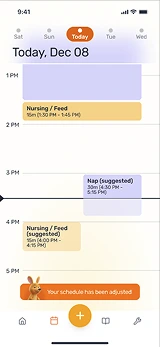
Betteroo is designed to adapt to your baby's changing needs, whether it's a growth spurt, teething, or a developmental leap. Our Smart Sleep Schedule adjusts in real-time, and we provide specific guidance for common challenges like sleep regressions, travel, and illness. You're never navigating these tough phases alone.
Not at all! Betteroo offers flexible approaches that align with your comfort level, from gentle, gradual methods to more structured techniques. You choose what feels right for your family, and we guide you through it step by step. There's no one-size-fits-all approach because every family is unique.
Yes! Betteroo works with your current sleep setup and feeding method. Whether you're breastfeeding, formula feeding, or combination feeding, and whether your baby sleeps in a crib, bassinet, or safely co-sleeps, we create a plan that fits your family's lifestyle while helping you reach your sleep goals.
Betteroo is designed for babies from newborn through toddler years. Our personalized plans adapt to your child's developmental stage, whether you're navigating newborn sleep patterns, the 4-month regression, or transitioning to one nap. We grow with your family's needs.

Ready for Your 1-Year-Old to Sleep Through the Night?
Get a personalized plan that matches your parenting style and respects your toddler's development. Take the quiz now.
4.8 based on 24,129 reviews