

Lullabies Help Your Baby Relax. Here's What Helps Them Sleep.
Soothing sounds are a great start, but they won't teach your baby to sleep through the night. Get the full picture.
Based on your age


Why Lullabies Aren't Enough
They help babies fall asleep. They don't help babies STAY asleep.
You've tried the YouTube lullabies. The white noise apps. The Spotify playlists on repeat. And yes, they work for those first few minutes. But then 2am hits. And 4am. And suddenly you're rocking for 45 minutes again, wondering why the "magic" stopped working. Here's what's actually happening: lullabies calm babies by mimicking womb sounds and signaling safety. But they don't address WHY your baby wakes, sleep associations, wrong wake windows, or the inability to self-settle. That's why babies habituate. The brain adapts. What worked last week doesn't work this week. And you're back to searching for new sounds at 3am. Betteroo gives you the lullabies AND the plan, so your baby learns to sleep, not just fall asleep.

Award-Winning Program

Proud Winner
Parents' Picks Awards 2026
Best Baby & Toddler Products
“Most parenting products are built around the baby. Betteroo was built for the parent.”

Proud Winner
Family Choice Awards 2026
Winner
“Recognized for putting the parent, not just the baby, at the center of sleep support.”

Proud Winner
Parents' Picks Awards 2026
Best Preschool Products
“Plans adapt in real time when life disrupts them, instead of expecting exhausted parents to comply with a static program.”
Proud Winner
Parents' Picks Awards 2026
Best Mom Products
“Betteroo isn't just helping babies sleep, it's helping parents feel seen.”
Backed by experts, Based on science, Loved by parents.

Based on research and data from these leading organizations
As Featured In




The Science: Why Lullabies Work (And Why They Stop)
Research shows lullabies reduce heart rate, lower arousal, and help babies fall asleep up to 35% faster. That's real.
But studies also show habituation kicks in quickly, repeated exposure reduces the soothing response as the brain adapts to familiar sounds. That's why parents cycle through playlist after playlist, searching for something new.
The bigger issue: lullabies don't teach self-settling. When your baby wakes between sleep cycles (every 45-90 minutes), they need the same conditions to fall back asleep. No lullaby = crying for you.
The solution isn't better sounds. It's helping your baby connect sleep cycles independently, while using soothing sounds as ONE tool in a complete approach.
Who we are
We're on a mission to help parents and babies sleep better.

Rachel Rothman
Renowned parenting expert who blends science, empathy and real-world experience as a mom of three


Dr. Magdalena M. Oledzka, PT, PhD, DPT, MBA, PCS, c/NDT
Board-Certified Clinical Specialist in Pediatric Physical Therapy with 25+ years of experience. Clinical Lead at the Hospital for Special Surgery Pediatric Rehabilitation and Young Athlete Center.

Dr. Meidad Greenberg, MD
Board-certified pediatrician and pediatric nephrologist. Fellowship-trained at Albert Einstein College of Medicine and Children’s Hospital at Montefiore. Award-winning medical educator and father of three.

Ellen Reisel
Developmental psychologist with decades of experience working with children and parents and multidisciplinary teams.

Jennifer Jaye, LCSW
For more than 15 years, Jennifer has helped children and families better understand developmental and sensory differences.

Marci Silver, MS, CCC-SLP
NY, CA and CT-certified speech-language and feeding pathologist. Trained in PROMPT, TalkTools, SOS feeding and myofunctional therapy, with clinical experience at the Hospital for Special Surgery.
How It Works
Take Quiz
Understand Why Your Baby Really Isn't Sleeping
Our 3-minute assessment goes beyond "they won't sleep." We identify the root cause - sleep associations, schedule issues, developmental factors, or environment - so we can actually fix it.
Get your custom plan
Get Personalized Plan
Get a Plan (Not Just a Playlist)
Your personalized plan includes age-appropriate schedules, gentle sleep learning techniques, AND soothing sound recommendations. Everything works together.
Get Yourself Back
Finally Sleep Through the Night
Most families see improvement within the first week. We stay with you through regressions, teething, and the nights when nothing seems to work.
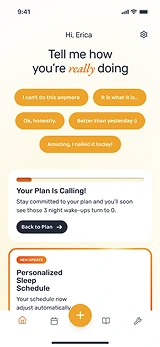
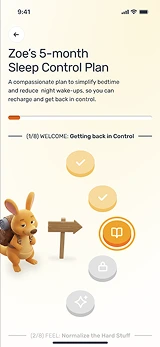
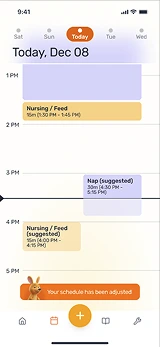
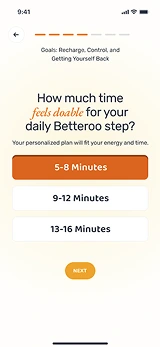
4.8 based on 24,129 reviews
Relatable content
4.6
Practical application
4.5
Extra resources
4.8
Easy to use
4.7
Course variety
4.8
Thousands are getting their sleep back
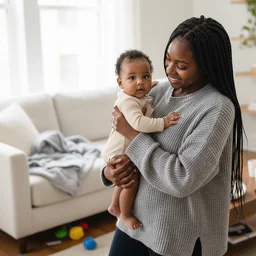
We had every lullaby app on our phones. Spotify playlists. YouTube videos. Our daughter would fall asleep fine, then wake up 4 times a night anyway. Betteroo helped us understand WHY she was waking. Two weeks later, she sleeps 11 hours straight. The lullabies were never the problem.
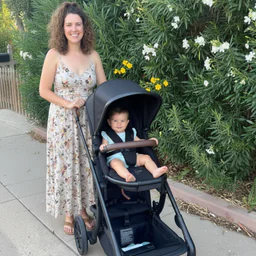
I was so tired of searching "baby won't sleep" at 3am and just finding more white noise recommendations. Betteroo actually explained what was happening with my son's sleep cycles and gave us a plan. Game changer.

The lullabies stopped working around 4 months. We tried new sounds, different volumes, pink noise, brown noise, nothing helped for more than a few days. Turns out our wake windows were completely wrong. Betteroo fixed the real problem.

I felt stupid for not realizing sooner that lullabies were just a band-aid. Our baby needed to learn to connect sleep cycles on her own. Betteroo taught us how to help her do that, gently. Now she sleeps AND we still use lullabies for the bedtime routine. Best of both worlds.
No more...
3am playlist hunting
"Why'd it stop working?"
Rocking for 45 minutes
Sound machine roulette
Feeling overwhelmed and alone
Expensive sleep consultants
Parents who wanted more than lullabies are sleeping again
24,129
Happy families
90%
See improvement in 1 week
4.8★
Average rating
Your Questions About Baby Sleep Music, Answered
Lullabies and white noise are helpful, but they're just one piece of the puzzle. Here's what else you need to know.
Yes, research shows lullabies reduce heart rate and help babies fall asleep up to 35% faster. They're excellent for calming and creating bedtime cues. But they don't teach babies to stay asleep or self-settle when they wake between sleep cycles. That's why many parents find lullabies work for falling asleep but don't prevent night wakings.
Habituation. Your baby's brain adapts to familiar sounds, reducing the soothing response over time. This is why parents constantly search for new playlists, the old ones lose their magic. It's not about finding the perfect sound; it's about addressing the underlying sleep issues that sounds alone can't fix.
Both have benefits. White noise mimics womb sounds and masks environmental disruptions, great for staying asleep. Lullabies promote bonding and signal bedtime, great for falling asleep. Many experts recommend combining them: lullabies during the wind-down routine, then white noise overnight. But neither replaces a solid sleep plan.
This is a sleep association issue. Your baby has learned to fall asleep WITH music, so when they naturally wake between sleep cycles (every 45-90 minutes), they need the music again to fall back asleep. If it's not playing, or sounds different, they cry for you. The solution is helping your baby learn to connect sleep cycles independently.
Three things: appropriate wake windows (so they're tired but not overtired), the ability to self-settle (falling asleep without being rocked, fed, or held), and a consistent sleep environment. Lullabies can be PART of a bedtime routine, but they don't replace schedule optimization and gentle sleep learning.
No! Lullabies are wonderful for bedtime routines. We'll help you use them strategically - as a sleep cue during wind-down, not a crutch your baby depends on all night. The goal is lullabies as one tool in a complete approach, not the only tool.
Lullaby apps give you sounds. Betteroo gives you sounds + schedules + sleep learning techniques + 24/7 support + progress tracking. We address WHY your baby isn't sleeping, not just provide background noise. It's the difference between a band-aid and actually solving the problem.
That's a sleep association we can work on together. Betteroo's gentle approach helps reduce sound dependency gradually, without cold-turkey methods that cause hours of crying. Most families successfully transition within 1-2 weeks while still using music as part of their bedtime routine.
There's no hard rule, many adults use white noise! The key is ensuring sounds are a helpful addition, not a dependency. If your baby can't sleep without specific sounds at specific volumes, that's worth addressing. Betteroo helps you find the right balance for your family.
Our focus is on the sleep plan, schedules, and techniques that actually solve sleep problems. We recommend specific sound strategies as part of your personalized plan and guide you on how to use them effectively alongside sleep training.
It's never too late. Whether your baby is 3 months or 18 months, sleep associations can be gently addressed. The approach differs by age, which is why Betteroo creates personalized plans based on your baby's developmental stage.
"Everything" usually means variations of the same approach, different sounds, different rocking techniques, different schedules tried inconsistently. Betteroo identifies what's actually causing the sleep issues (often something parents haven't considered) and provides a consistent plan with support. Most families see improvement within the first week.
Absolutely. We offer gentle, gradual methods that don't involve leaving your baby to cry alone. Our approach works WITH your baby's needs and your comfort level, no harsh techniques required.
Most families notice improvement within 3-5 days of consistent implementation. Significant change typically happens within 1-2 weeks. We stay with you through the process and adjust if needed.
Start with our 3-minute assessment, which identifies your baby's specific sleep challenges. You'll get a personalized plan with age-appropriate schedules, gentle techniques, and sound recommendations. Plus 24/7 access to support when nights go sideways. Most families see significant improvement within 2 weeks.
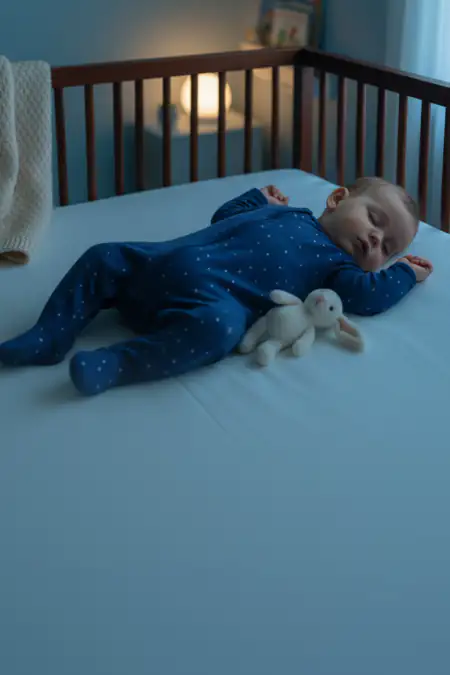
Ready for more than lullabies?
Your baby deserves real sleep, not just background noise. Take our quick assessment to get a personalized plan that actually works.
4.8 based on 24,129 reviews